Interior Design Firm: Advanced Solutions for Today's Living Spaces
The realm of interior design is developing, with businesses now emphasizing innovative solutions for modern living spaces. By adopting minimalism and integrating smart technologies, these firms create environments that boost comfort and functionality. Sustainable materials play a critical role, reflecting a growing awareness of eco-friendly choices. Yet, the interplay of design elements such as color psychology and personalized spaces warrants further exploration of how they shape our daily lives.
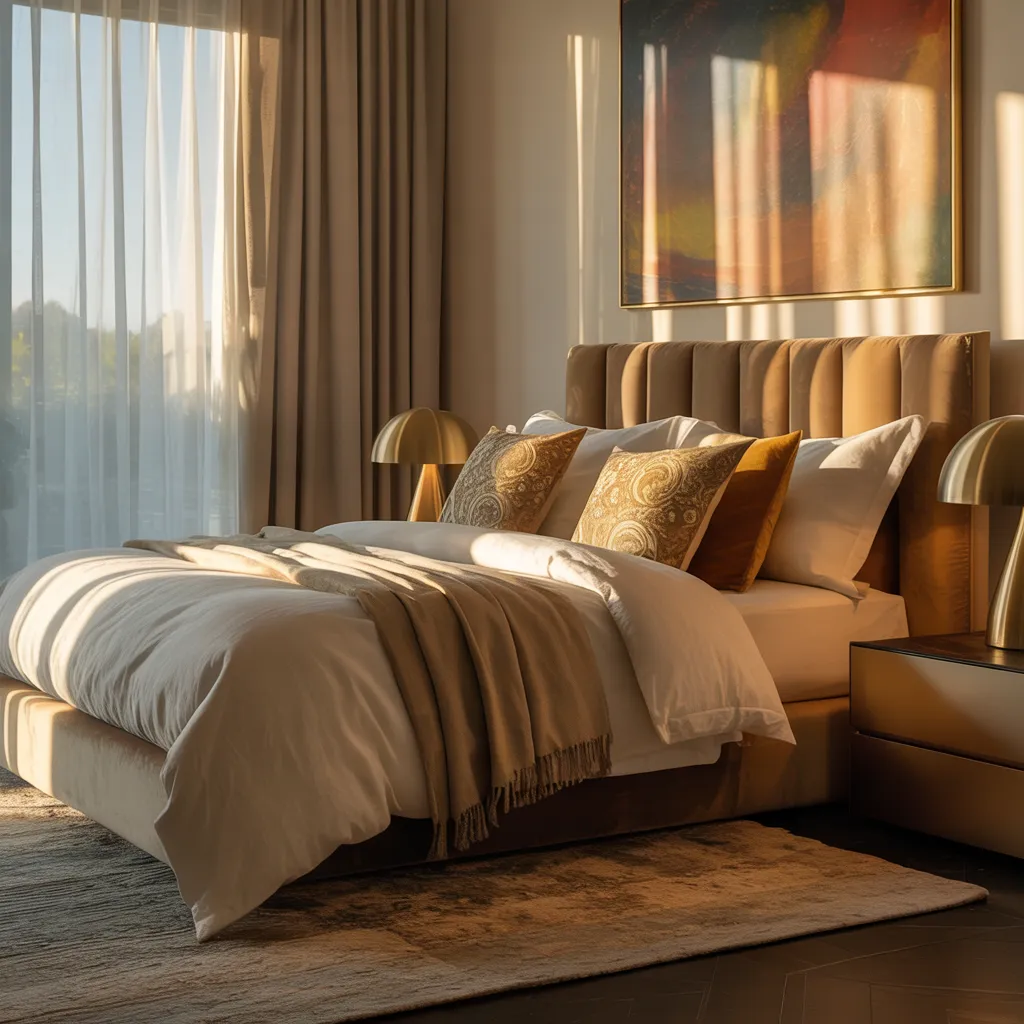
Embracing Minimalism: The Force of Less
As homeowners continuously look for calmness in their dwellings, embracing minimalism emerges as a powerful design philosophy. This strategy focuses on straightforwardness and utility, eliminating excess to create serene environments. By emphasizing core features, minimalism cultivates feelings of peace and lucidity, permitting occupants to enjoy the elegance of their space without disruption.
Incorporating minimalism into interior design includes choosing a subdued color palette, choosing clean lines, and selecting quality over quantity in furnishings. Spacious areas become a signature element of this style, promoting a atmosphere of spaciousness and ease. Natural light plays a vital role, elevating the overall ambiance and bridging the indoors with the outdoors.

Moreover, minimalism encourages thoughtful consumption, prompting individuals to purchase less, more significant items. This shift doesn't just transform physical spaces but also cultivates mental wellness, making minimalism a appealing choice for contemporary living.
Smart Home Integration: Technology and Design Combined
Smart home integration represents a harmonious blend of technology and design, enhancing both functionality and aesthetics within living spaces. By guaranteeing seamless device connectivity, homeowners can oversee various aspects of their environment effortlessly. Elegant control interfaces combined with automated features further enrich the user experience, making modern living both visually appealing and convenient.
Seamless Device Pairing
Smoothly incorporating devices within a home has become more prevalent as technology evolves. Homeowners now pursue systems that allow for effortless connectivity among devices, enhancing functionality and convenience. Advanced systems enable various smart devices—such as lighting, temperature control, security systems, and entertainment units—to connect to one another. This interconnectedness enables users to control their environments through intuitive applications or voice commands, optimizing daily tasks. Furthermore, such integrations support energy efficiency, as devices can modify automatically based on user habits and preferences. The design of these systems often prioritizes user experience, guaranteeing that technology enhances the aesthetic of modern living spaces while providing practical benefits. In the end, seamless device connectivity changes how individuals interact with their homes.
Visual Interface Management
When designing a modern home, the integration of aesthetic control interfaces plays a crucial role in enhancing both functionality and visual appeal. These interfaces, which include touch panels, voice-activated systems, and sleek remote controls, allow homeowners to manage multiple aspects of their living environment seamlessly. By prioritizing design, these interfaces blend harmoniously with the overall décor, eliminating the sharp contrast often associated with traditional technology. This thoughtful integration not only elevates the user experience but also reinforces the notion that technology can be an elegant part of home design. As homeowners seek to create spaces that reflect their personalities, aesthetic control interfaces emerge as indispensable components, combining style with advanced functionality to redefine modern living.
Smart Home Functions
A growing number of homeowners are turning to automated home functions to streamline their daily routines and improve their living environments. Smart home integration serves as a seamless combination of technology and design, empowering users to control lighting, heating, and security systems through intuitive interfaces. This functionality not only enhances convenience but also fosters energy efficiency, as homeowners can monitor and manage their consumption remotely. In addition, modern interior design now incorporates these systems aesthetically, ensuring that technology blends harmoniously with decor. By prioritizing user experience and visual appeal, automated home functions transform contemporary living spaces, delivering both comfort and sophistication. As the demand for smart solutions increases, the future of interior design will continue to evolve parallel to technological advancements.
Environmentally Responsible Materials: Sustainable Options for Today's Houses
Sustainable materials are becoming increasingly essential in present-day interior design, delivering numerous benefits such as decreased ecological footprint and better indoor air quality. Well-known eco-friendly choices include reclaimed wood, bamboo, and reclaimed metals, all of which support a more wholesome living space. Furthermore, innovative green design trends are developing, demonstrating how beauty and sustainability can harmoniously blend in current homes.
Benefits of Environmentally Friendly Materials
As homeowners increasingly prioritize environmental responsibility, the merits of utilizing sustainable materials in home design become increasingly clear. Sustainable materials simultaneously decrease environmental harm while promoting healthier residential areas. These materials often produce fewer toxins, enhancing interior air purity and advancing wellness for residents. In addition, these materials are typically more long-lasting, creating more permanent designs demanding less regular substitution. By investing in sustainable materials, homeowners can champion ecological methods and possibly minimize energy costs via enhanced insulation. In addition, incorporating these materials can elevate the visual attractiveness of an area, harmonizing current design with intentional living. In this way, sustainable materials deliver pragmatic and principled advantages, establishing them as a prudent option for current homes.
Popular Eco-Friendly Options
Though the requirement for environmentally friendly interior design continues to rise, various materials are notable for their sustainability and design appeal. Bamboo, recognized for its quick growth and renewability, acts as a well-liked choice for flooring and furnishings. Reclaimed wood, with its unique history and character, presents an eco-aware alternative to virgin timber. Cork, harvested from the bark of cork oak trees, provides both insulation and a unique texture. Moreover, recycled glass is progressively used in countertops and tiles, bringing a vibrant touch while decreasing waste. Decomposable textiles, such as organic cotton and hemp, strengthen the sustainable aspect of upholstery and curtains. These materials not only contribute to a more sustainable environment but also elevate the visual appeal of modern living spaces.
Modern Green Design Trends
As environmental responsibility becomes increasingly important, with environmental responsibility, innovative green design trends are reshaping modern homes by incorporating eco-friendly materials that unite functionality and style. Designers are increasingly selecting sustainably sourced materials such as bamboo, reclaimed wood, and recycled metals, which not only minimize environmental impact but also provide unique aesthetic qualities. Furthermore, low-VOC paints and finishes enhance indoor air quality, while energy-efficient fixtures and appliances result in reduced energy consumption. The addition of natural elements, such as living walls and green roofs, further improves the connection between indoor and outdoor environments. These innovative choices reflect a growing commitment to sustainability, helping homeowners to create spaces that are both beautiful and aligned with eco-conscious values.
Adaptable Spaces: Adjusting to Evolving Expectations
In an environment where versatility and adaptability are crucial, multipurpose areas have become an vital solution for modern residential needs. These ingenious concepts address the diverse needs of city residents, ensuring adaptability in compact areas. By integrating elements such as folding furniture, relocatable screens, and seamless storage, designers develop environments that seamlessly shift between work, leisure, and social activities.
Remote work's growth and the growing need for home-based education have additionally highlighted the importance of adaptable spaces. Home offices can easily convert into guest rooms, while dining areas can work as creative studios. Such designs not only enhance utility but also enrich the overall aesthetic of a home.
With lifestyles constantly evolving, the concept of multifunctional spaces will serve a crucial function in shaping the future of interior design, guaranteeing that living environments remain both useful and fashionable.
Nature-Inspired Design: Incorporating the Outdoors Within
Biophilic design, which highlights the relationship between people and the natural world, has become increasingly popular as an innovative method in interior design. This approach aims to incorporate natural components into constructed spaces, promoting feelings of wellness and peace. Design professionals frequently integrate elements like green walls, abundant daylight, and natural materials to replicate outdoor environments and establish a balanced ambiance.
Plants serve a vital function in biophilic design, not only enhancing aesthetic appeal but also bettering air quality and lowering stress. Water features, such as fountains or aquariums, further intensify the soothing benefits related to nature.
The strategy supports the use of organic color palettes, textures, and patterns that reflect natural landscapes. By focusing on these elements, interior spaces can cultivate a deeper connection to nature, ultimately producing healthier and more comfortable living environments. As urbanization continues, biophilic design offers a significant remedy to the disconnection many perceive from the natural world.
Understanding Color Psychology: Its Impact on Mood and Atmosphere
Incorporating natural elements into interior design doesn't just improve physical environments but also affects emotional wellness via color selections. Shades elicit distinct sentiments and can profoundly affect disposition. For instance, heated shades such as reds and oranges may invigorate a space, fostering innovation and passion. In contrast, chillier shades including blues and greens typically generate a peaceful ambiance, suitable for rest and mental clarity.
Understanding color psychology enables designers to curate spaces that align with desired emotional responses. Yellow can stimulate optimism, while muted tones can evoke calmness. The strategic use of color has the ability to transform environments, making them more conducive to the activities occurring within them.
Be it a tranquil bedroom, an inspiring workspace, or a energetic communal area, color plays a vital role in shaping the ambiance. This awareness enables interior designers to craft holistic living spaces that resonate with the residents' emotional needs.
Customized Spaces: Adjusting Design to Distinct Lifestyles
Though each person possesses distinct preferences and requirements, personalized interior design goes beyond simple aesthetics to create environments that reflect and enhance one's lifestyle. This approach emphasizes the importance of understanding the client's daily routines, interests, and functional requirements. By incorporating elements such as color schemes, furniture choices, and spatial layouts, designers can craft spaces that foster productivity and comfort.
As an illustration, a family with young children may give priority to durable materials and well-organized get details storage solutions, while a remote worker might seek out dedicated home office spaces that inspire creativity. Customized design also considers cultural backgrounds and personal histories, infusing spaces with meaningful artifacts and narratives. In the end, the goal is to create harmonious environments that connect with the inhabitants, transforming houses into homes. In this way, tailored interior design becomes a vital tool for elevating quality of life and promoting well-being in modern living spaces.
Frequently Asked Questions
How Much Do You Typically Pay to Hire an Interior Design Company?
Typically, hiring an interior design service costs in the range of $50 to $200 per hour, or a flat fee between $1,000 to $10,000, determined by project complexity, designer experience, and geographical location.
How Much Time Does a Standard Interior Design Project Require?
A standard interior design project usually takes between six weeks to several months to complete. Factors affecting the timeline include the project's scope, client choices, and the complexity of implemented design elements.
Is It Possible to Implement My Own Design Ideas Following Consultation?
Individuals can certainly implement various design ideas on their own following consultation. Several professionals promote client involvement, letting personal imagination prosper while guaranteeing the comprehensive vision stays aligned with the original design idea.
What Qualifications Should I Look for in an Interior Designer?
When seeking an interior designer, you should evaluate qualifications such as formal training in design, recognized credentials, a compelling portfolio, customer reviews, and experience in various styles to ensure a well-rounded approach to projects.
Is Virtual Consultation Available for Interior Design Services?
Indeed, a significant number of interior designers deliver virtual consultations, permitting clients to explore their needs and preferences through remote means. This method offers adaptability and ease, allowing for productive cooperation regardless of location barriers, ultimately enhancing the design experience for clients.